If you live in North Texas and your summer electric bill feels out of control, I'd put money on your attic being part of the reason. It's one of the most common issues we find during energy audits — and it's also one of the most fixable.
What's Actually Happening in Your Attic
On a typical North Texas summer day, outside temperatures can easily hit 105°F. What most homeowners don't realize is what that does to the air trapped above their ceiling. An attic without adequate insulation and ventilation acts like a heat collector — temperatures up there can reach 150°F or higher.
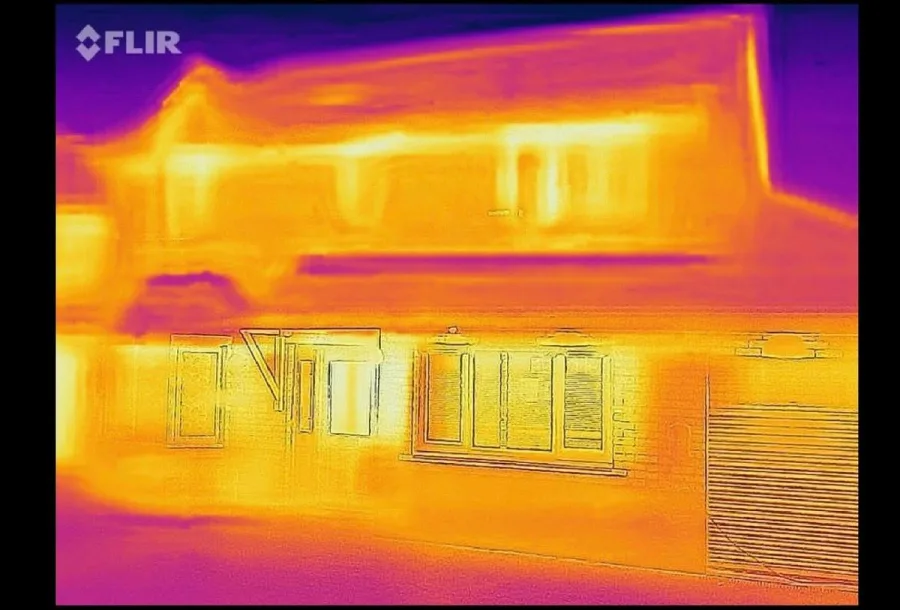
That extreme heat doesn't stay in the attic. It radiates downward through your ceiling into your living space. Your thermostat detects the rising temperature and signals the AC to kick on. Then again. And again. Your system runs longer cycles, works harder than it should, and your electric bill climbs higher — every summer, without fail.
The Direct Connection to Your Bill
Cooling accounts for 40–50% of a typical North Texas home's electric bill. Every degree of heat that bleeds through an under-insulated ceiling is heat your AC has to remove — at your expense. An attic running 150°F isn't just uncomfortable; it's a direct, ongoing drain on your wallet.
How Insulation Fails Over Time
Two things happen to attic insulation that most homeowners never think about:
- It settles and compacts. Blown-in insulation — the most common type in North Texas homes — loses depth over time as it settles under its own weight. Insulation that was installed 15–20 years ago at the right depth may now be performing well below spec.
- It was never enough to begin with. Many homes were insulated to minimum code at the time of construction. Building codes have changed significantly, and what passed in 2005 doesn't meet today's R-38 to R-60 recommendations for North Texas attics.
Neither problem is obvious from inside your home. You can't see settled insulation from your living room. The only signals are the ones showing up on your electric bill every July and August.
| Insulation Age | Likely R-Value | North Texas Recommendation |
|---|---|---|
| Pre-1990 | R-11 to R-19 | R-38 to R-60 |
| 1990–2005 | R-19 to R-30 | R-38 to R-60 |
| 2005–2015 | R-30 to R-38 | R-38 to R-60 |
| 2015–Present | R-38+ | At or near spec — verify depth |
What the Fix Actually Costs
This is where most homeowners are pleasantly surprised. Bringing an attic up to modern insulation standards is significantly more affordable than other home improvement projects.
For a typical North Texas home, adding blown-in insulation to bring the attic up to R-49 or R-60 runs $1,500–$3,000. That's a one-time cost. The monthly savings on your cooling bill can be meaningful — and unlike most home upgrades, this one starts paying you back immediately, every summer, for as long as you own the home.
Insulation Before Solar
If you're considering solar, fixing the attic first matters. A home with poor insulation needs a larger system to cover its inflated cooling load. Address the insulation, reduce your actual energy use, then right-size your solar system. The economics are much better in that order.
Start With an Energy Audit
Before spending anything, the right move is to find out whether your attic is actually the problem — and exactly how bad it is. That's what a home energy audit does.
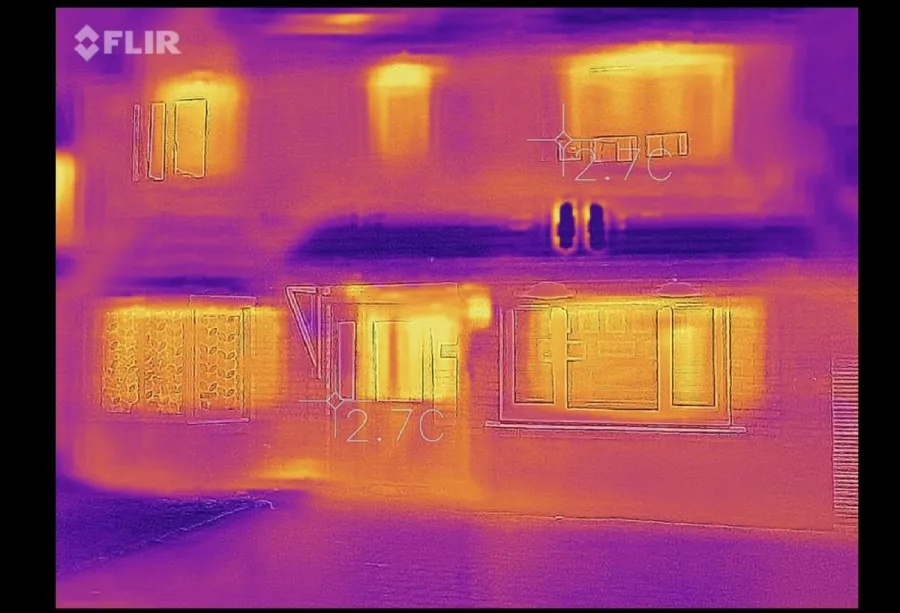
During an audit, we use thermal imaging to see heat transfer through your ceiling in real time, measure your actual insulation depth and R-value, and identify any air sealing issues that are compounding the problem. The result is a clear, prioritized list of what to fix — starting with the items that will have the biggest impact on your bill.
If insulation is the issue, you'll know exactly what it would cost to fix it and what you can reasonably expect to save. No guesswork. No spending money on the wrong thing.
N-Tech's Standard Home Energy Audit is $299 and includes thermal imaging, a written report within 48 hours, estimated annual savings per finding, and a follow-up call to walk through everything. If your home turns out to be a strong solar candidate after fixing the efficiency issues, we can take you through that process too — one company, one conversation.
Find Out If Your Attic Is Costing You
A home energy audit tells you exactly where your home is losing energy — and what it would take to fix it.
Book Your Audit — $299